

Spay and Neuter Services in South Bend, IN
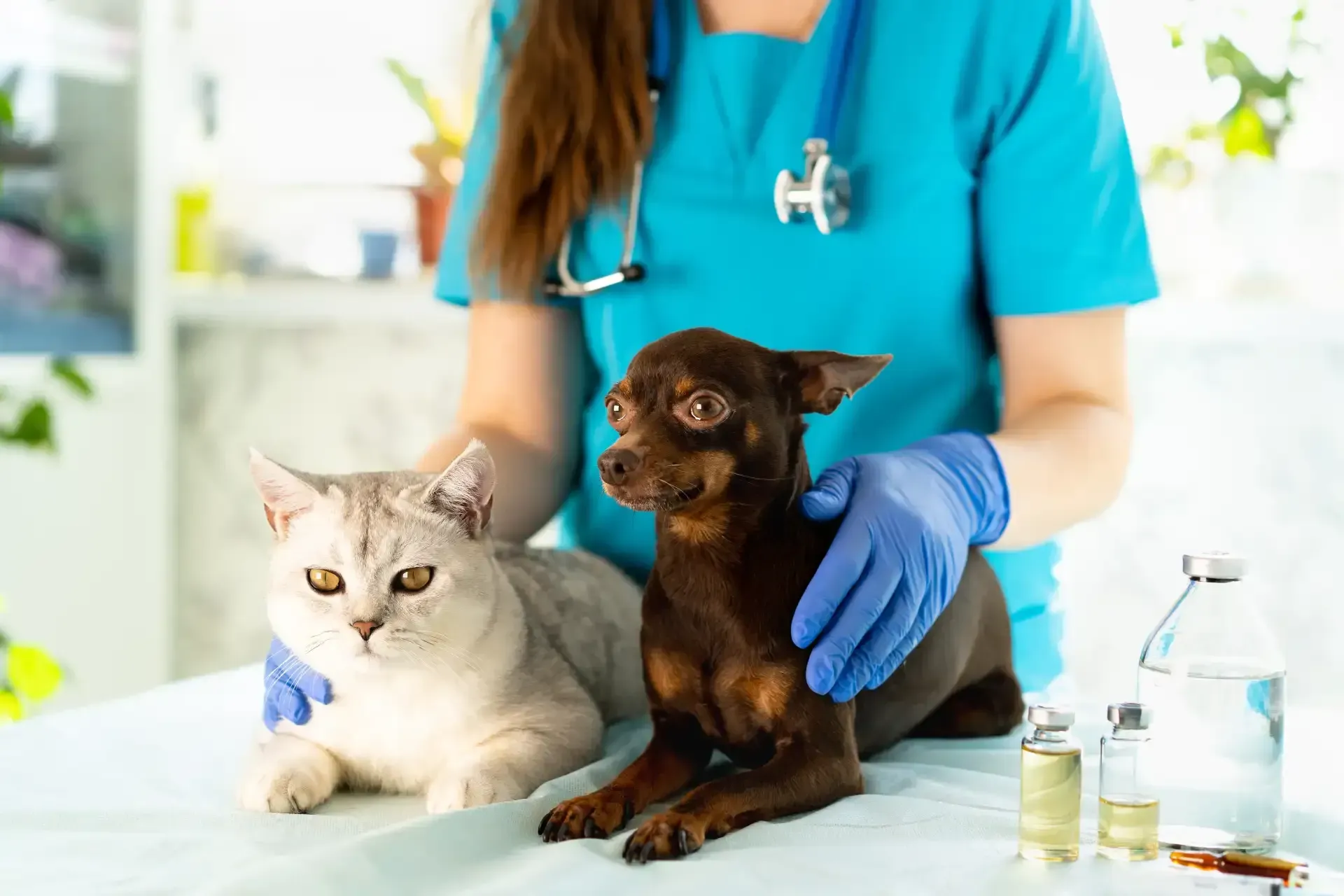
Preventative Pet Health of Michiana provides spay and neuter services in South Bend, IN for dogs and cats. Our veterinary team focuses on compassionate care, clear communication, and a safe surgical experience for your pet.
Open Hours
Sat: 10:00 AM – 2:00 PM
Sun - Mon: Closed
Compassionate Spay and Neuter Care for Dogs and Cats
Spaying or neutering your pet is an important part of responsible pet care. These procedures help prevent unwanted litters and may support long-term health by reducing certain reproductive health risks.
At Preventative Pet Health of Michiana, we take time to explain the process, answer your questions, and help you understand what to expect before and after surgery.
What Is the Difference Between Spay and Neuter?
Spay Surgery
A spay is a surgical procedure for female pets. It removes the reproductive organs so the pet can no longer become pregnant or go through heat cycles.
Neuter Surgery
A neuter is a surgical procedure for male pets. It removes the testicles so the pet can no longer reproduce.
Benefits of Spaying or Neutering Your Pet
Spay and neuter surgery can offer health, behavior, and community benefits for dogs and cats. Potential benefits include:
Helps prevent unwanted litters
Reduces the risk of certain reproductive diseases
Prevents heat cycles in female pets
May reduce roaming and marking behaviors in some male pets
Supports responsible pet ownership
Helps reduce pet overpopulation
Your veterinarian can help you decide the best timing for your pet based on their age, breed, size, health, and lifestyle.
When Should My Pet Be Spayed or Neutered?
The best time to spay or neuter a dog or cat can vary. Some pets may be ready when they are young, while others may need a more personalized recommendation based on breed, size, growth, health history, or medical needs.
During your visit, our veterinary team can review your pet’s age, weight, vaccine history, and overall health before recommending the right next step.

What to Expect Before Surgery
Before your pet’s spay or neuter procedure, our team may review your pet’s medical history, current medications, vaccine status, and any known health concerns. Pre-surgical planning may include:
- A physical exam
- Weight and health review
- Discussion of anesthesia and recovery
- Pre-anesthetic bloodwork when recommended
- Fasting instructions before surgery
- Drop-off and pick-up instructions
- A clear estimate and care plan
What to Expect After Surgery
After spay or neuter surgery, your pet will need rest and careful monitoring at home. Our team will provide discharge instructions so you know how to care for your pet during recovery. Aftercare may include:
- Keeping your pet calm and quiet
- Preventing licking or chewing at the incision
- Giving medications as directed
- Limiting running, jumping, and rough play
- Checking the incision daily
- Watching for swelling, bleeding, discharge, or unusual behavior
- Scheduling a recheck if recommended
Why Choose Preventative Pet Health of Michiana?
Spay and neuter surgery should feel clear, supportive, and carefully planned. At Preventative Pet Health of Michiana, we provide practical veterinary guidance and compassionate care for pets and their people.
Affordable, Personalized Veterinary Care
Gentle Handling For Dogs And Cats
Clear Communication Before And After Surgery
Support For Wellness, Diagnostics, And Preventive Care
A Local South Bend Team Serving The Michiana Community
Frequently Asked Questions
What is the difference between spaying and neutering?
Spaying is the surgical sterilization procedure for female pets, while neutering is the surgical sterilization procedure for male pets. A spay prevents pregnancy and heat cycles in female dogs and cats. A neuter prevents reproduction in male dogs and cats and may reduce some hormone-related behaviors.
Why should I spay or neuter my pet?
Spaying or neutering helps prevent unwanted litters and supports responsible pet ownership. It may also reduce the risk of certain reproductive health problems, such as uterine infections in female pets and testicular cancer in male pets. Your veterinarian can explain the benefits and considerations based on your pet’s age, breed, and health.
When should my dog or cat be spayed or neutered?
The best age to spay or neuter a dog or cat depends on the pet’s species, breed, size, age, health, and lifestyle. Some pets may be ready when they are young, while others may benefit from a different timeline. A veterinarian can recommend the safest timing after examining your pet and reviewing their medical history.
Is spay or neuter surgery safe?
Spay and neuter procedures are common veterinary surgeries, but any procedure involving anesthesia has some level of risk. Veterinary teams reduce risk through pre-surgical exams, patient health review, anesthesia planning, monitoring, and clear recovery instructions. Pre-anesthetic bloodwork may also be recommended for some pets.
What should I expect after my pet is spayed or neutered?
After spay or neuter surgery, your pet will need rest, activity restriction, incision monitoring, and any prescribed medications. Most pets should avoid running, jumping, bathing, rough play, and licking the incision during recovery. Contact your veterinarian if you notice swelling, bleeding, discharge, loss of appetite, vomiting, severe pain, or unusual behavior.
How do I schedule spay and neuter services in South Bend, IN?
You can schedule spay and neuter services in South Bend, IN by contacting Preventative Pet Health of Michiana. The team can help you discuss your pet’s age, health, vaccine history, surgery preparation, pricing, and appointment availability.
Schedule Spay and Neuter Services in South Bend, IN
Preventative Pet Health of Michiana provides spay and neuter services in South Bend, IN for dogs and cats. Contact our team to ask about timing, preparation, pricing, and appointment availability.

