

Sick Pet Care in South Bend, IN
At
Preventative Pet Health of Michiana, we provide compassionate sick pet care in South Bend, IN, for dogs and cats with sudden symptoms, ongoing health concerns, or changes in behavior that need veterinary attention.
Open Hours
Sat: 10:00 AM – 2:00 PM
Sun - Mon: Closed
Veterinary Care for Sick Dogs and Cats
Pets often hide signs of illness until they are uncomfortable or their condition has progressed. That is why it is important to schedule a sick pet exam when you notice changes in your pet’s appetite, energy, bathroom habits, breathing, mobility, or behavior.
At Preventative Pet Health of Michiana, our goal is to make the process less stressful. We listen to your concerns, examine your pet carefully, explain what we find, and walk you through your diagnostic and treatment options.
You may need sick pet care if your dog or cat is experiencing:
Vomiting or diarrhea
Loss of appetite
Excessive thirst or urination
Coughing, sneezing, or nasal discharge
Limping or difficulty walking
Ear scratching, head shaking, or odor
Skin irritation, itching, rashes, or hair loss
Eye redness, squinting, or discharge
Lethargy, hiding, or unusual behavior
Straining to urinate or defecate
Sudden weight loss
Pain, restlessness, or vocalizing
What Happens During a Sick Pet Exam?
A sick pet exam is focused on finding out why your pet is not feeling well. Unlike a routine wellness visit, this appointment is built around a specific symptom, concern, or change you have noticed at home.
During your visit, our veterinary team may:
- Review your pet’s symptoms, diet, medications, and medical history
- Perform a nose-to-tail physical exam
- Check hydration, temperature, heart rate, breathing, pain level, and mobility
- Examine the ears, eyes, mouth, skin, abdomen, and joints
- Recommend diagnostic testing when needed
- Create a treatment plan based on your pet’s condition
Your pet’s care plan may include medications, diet recommendations, lab testing, imaging, recheck visits, or referral for more advanced care if needed.
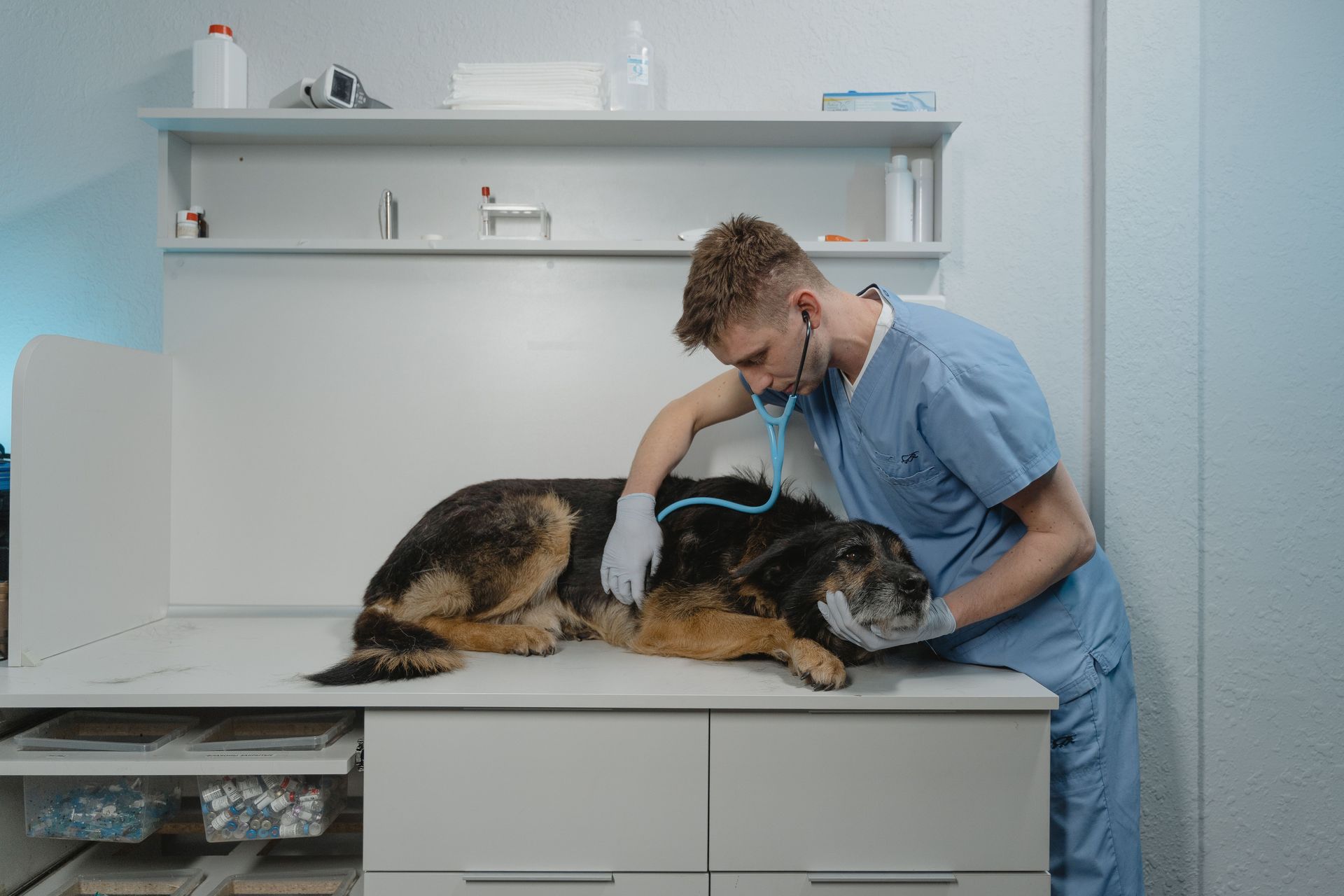
Common Sick Pet Symptoms We Evaluate
Consistent care means healthier pets and fewer surprises. We focus on early detection, regular monitoring, and long-term wellness to support your pet from youth through senior years — including managing chronic conditions like diabetes or Cushings, and performing diagnostics such as ultrasounds and lab work.
Vomiting and Diarrhea
Occasional stomach upset can happen, but repeated vomiting, frequent diarrhea, blood in the stool, dehydration, or refusal to eat can point to a more serious issue.
A sick pet exam can help determine whether your pet has a dietary problem, parasite infection, toxin exposure, pancreatitis, foreign body concern, or another illness.
Coughing, Sneezing, and Breathing Changes
Coughing, wheezing, heavy panting, or nasal discharge may be caused by respiratory infections, allergies, heart concerns, airway irritation, or other medical conditions. Breathing problems should always be taken seriously.
Ear and Skin Problems
Ear infections, hot spots, allergies, fleas, skin infections, and itching can make pets miserable. If your dog or cat is scratching, licking, chewing, shaking their head, or developing redness or odor, veterinary care can help relieve discomfort and identify the underlying cause.
Limping or Pain
Limping, stiffness, reluctance to jump, or sudden sensitivity may be caused by injury, arthritis, joint problems, paw wounds, or soft tissue strain. Our team can assess your pet’s pain and recommend appropriate treatment.
Urinary Issues
Frequent urination, accidents in the house, blood in the urine, straining, or crying in the litter box may indicate a urinary tract infection, bladder inflammation, crystals, stones, or a blockage. Straining without producing urine can be an emergency, especially in male cats.
Changes in Appetite, Thirst, or Energy
Eating less, drinking more water, losing weight, hiding, sleeping more, or acting unusually clingy can all be signs of illness. These symptoms may be related to infection, pain, kidney disease, diabetes, thyroid disease, digestive problems, or other internal conditions.
Diagnostics for Sick Pets
Because pets cannot explain how they feel, diagnostic testing can be an important part of sick pet care. Depending on your pet’s symptoms, our veterinarian may recommend tests to better understand what is happening internally.
Diagnostic options may include:
- Bloodwork to evaluate organ function, infection, inflammation, anemia, or metabolic disease
- Urinalysis to check for urinary tract infections, kidney concerns, crystals, or glucose
- Fecal testing to look for intestinal parasites
- Cytology for ears, skin, lumps, or fluid samples
- X-rays or imaging to evaluate internal structures, injuries, or foreign objects
- Additional testing based on your pet’s symptoms and exam findings
We will explain why a test is recommended, what it may show, and how it can help guide your pet’s treatment.
Treatment for Sick Dogs and Cats
Every pet is different, so treatment depends on your pet’s symptoms, exam findings, test results, age, medical history, and overall condition. Our team focuses on practical recommendations and clear communication so you can make confident decisions.
Sick pet treatment may include:
- Prescription medications
- Anti-nausea or anti-diarrheal support
- Pain relief
- Antibiotics or anti-inflammatory medications when appropriate
- Ear or skin treatments
- Fluid support for dehydration
- Nutrition guidance
- Follow-up exams or monitoring
- Referral to emergency or specialty care when needed
Our goal is to help your pet feel better while addressing the cause of the problem whenever possible.
When Sick Pet Symptoms May Be an Emergency
Some symptoms should not wait for a standard sick pet appointment. Seek emergency veterinary care immediately if your pet exhibits the following:
- Trouble breathing
- Collapses
- Seizures
- Cannot urinate
- Pale or blue gums
- Experiences major trauma
- Ingests a toxin
For more urgent situations, visit our Emergency Vet Services page or call the clinic right away.
Why Choose Preventative Pet Health of Michiana?
When your pet is sick, you need answers, compassion, and a care plan that makes sense. Preventative Pet Health of Michiana proudly serves pets and families throughout South Bend and the Michiana area with affordable, personalized veterinary care.
Compassionate care for dogs and cats
Clear communication about symptoms, diagnostics, and treatment
Affordable, practical veterinary recommendations
Support for sick visits, wellness exams, diagnostics, and chronic conditions
A local team that treats pets like family
Frequently Asked Questions About Sick Pet Care
How do I know if my pet is sick and needs to see a vet?
Answer: You can tell your pet is sick and needs veterinary attention if they exhibit sudden, unexplained changes in behavior, appetite, or physical condition. Schedule a sick pet exam immediately if you observe any of the following clinical signs:
- Loss of Appetite or Excessive Thirst: Refusing food for more than 24 hours or drinking significantly more water than usual.
- Lethargy: Uncharacteristic weakness, sleeping excessively, hiding, or lacking interest in play.
- Gastrointestinal Issues: Persistent vomiting, frequent diarrhea, or straining to defecate.
- Respiratory Symptoms: Coughing, wheezing, heavy panting, or unusual nasal discharge.
- Changes in Urination: Urinating more frequently, straining, or urinating outside the litter box.
What is the difference between a sick pet exam and a routine wellness exam?
Answer: The primary difference is that a sick pet exam is diagnostic and focuses on identifying and treating a specific illness or symptom, whereas a routine wellness exam is preventative and ensures an apparently healthy pet remains in optimal condition.
- Sick Pet Exam: Includes targeted diagnostics (such as specific blood panels, cytology, or x-rays) to investigate a presented problem, such as limping, vomiting, or ear discharge.
- Wellness Exam: Includes a general nose-to-tail physical assessment, administration of core vaccinations, routine parasite screenings, and nutritional counseling to prevent future health issues.
What should I bring to a sick pet appointment?
Answer: To ensure the most accurate diagnosis during a sick pet appointment, you should bring your pet's complete medical history, a list of current medications, and any relevant bodily samples.
Having these items ready allows the veterinarian to pinpoint the issue faster and prevents unnecessary testing:
- Medical Records: Previous veterinary records, especially if you are visiting a new clinic, including vaccine history and past lab results.
- Medications & Supplements: The exact names and dosages of all prescriptions, over-the-counter medications, or supplements your pet is currently taking.
- Stool or Urine Samples: A fresh, double-bagged fecal or urine sample if your pet is experiencing gastrointestinal or urinary issues.
- Videos of the Symptoms: Clear video recordings of intermittent symptoms like coughing, limping, or seizures, as your pet may not exhibit them while in the exam room.
How are common pet illnesses diagnosed?
Answer: Veterinarians diagnose common pet illnesses using a combination of a comprehensive physical examination and targeted diagnostic testing.
Following a physical assessment, the vet may recommend one or more of the following diagnostic tools to establish a treatment plan:
- Bloodwork: Complete Blood Count (CBC) and chemistry panels to evaluate organ function, detect infection, or identify metabolic diseases like diabetes or kidney failure.
- Urinalysis: Tests to assess kidney function, detect urinary tract infections, or identify painful crystals in the urine.
- Imaging: Digital X-rays or ultrasounds to examine internal structures, locate ingested foreign bodies, or assess the heart and lungs.
- Cytology: Microscopic evaluation of skin scrapes, ear swabs, or fluid samples to identify bacterial, fungal, or parasitic infections.
When should a sick pet be considered an emergency?
Answer: A sick pet condition escalates to an emergency when the symptoms are life-threatening, intensely painful, or rapidly deteriorating. You should bypass a standard sick pet visit and immediately seek emergency veterinary care for the following conditions:
- Breathing Difficulties: Choking, severe wheezing, or pale, blue, or white gums.
- Trauma or Severe Bleeding: Injuries from falls, vehicular accidents, or severe animal bites.
- Toxin Ingestion: Known or suspected consumption of poisons like chocolate, grapes, xylitol, antifreeze, or human medications.
- Neurological Episodes: Seizures, sudden paralysis, disorientation, or loss of consciousness.
- Inability to Urinate:
This is especially critical in male cats, as a blocked urinary tract is rapidly fatal without immediate medical intervention.
Will my pet need to stay overnight at the clinic if they are sick?
Answer: Most sick pets do not need to stay overnight and can be successfully treated on an outpatient basis; however, hospitalization is required for pets needing continuous intravenous (IV) fluids, intensive monitoring, or complex treatments.
The decision for overnight care depends entirely on the severity of the diagnosis:
- Outpatient Care: Appropriate for mild infections, minor gastrointestinal upset, skin allergies, or ear infections, where treatment involves oral medications administered by the owner at home.
- Inpatient Care (Hospitalization): Required for severe dehydration needing IV fluids, critical metabolic crises (like diabetic ketoacidosis), severe pain management, or recovery from complex surgical procedures.
Schedule Sick Pet Care in South Bend, IN
If your pet is vomiting, coughing, limping, hiding, refusing food, or simply not acting like themselves, call Preventative Pet Health of Michiana today. Our team is here to help you understand what is going on and get your pet the care they need.

