

Emergency Vet Services
When your pet is sick, injured, or showing sudden concerning symptoms, every minute matters. At
Preventative Pet Health of Michiana, our veterinary team provides compassionate emergency vet services in South Bend, IN, for dogs and cats who need prompt medical attention.
Open Hours
Sat: 10:00 AM – 2:00 PM
Sun - Mon: Closed
Emergency Veterinary Care When Your Pet Needs Help Fast
Pets cannot tell us exactly what is wrong, which can make sudden symptoms frightening and confusing. If something seems seriously wrong, it is always better to call a veterinarian than wait and hope the issue improves on its own.
Preventative Pet Health of Michiana provides urgent and emergency veterinary support for pets throughout South Bend and the Michiana area. Our team focuses on clear communication, practical treatment recommendations, and compassionate care for both pets and their people.
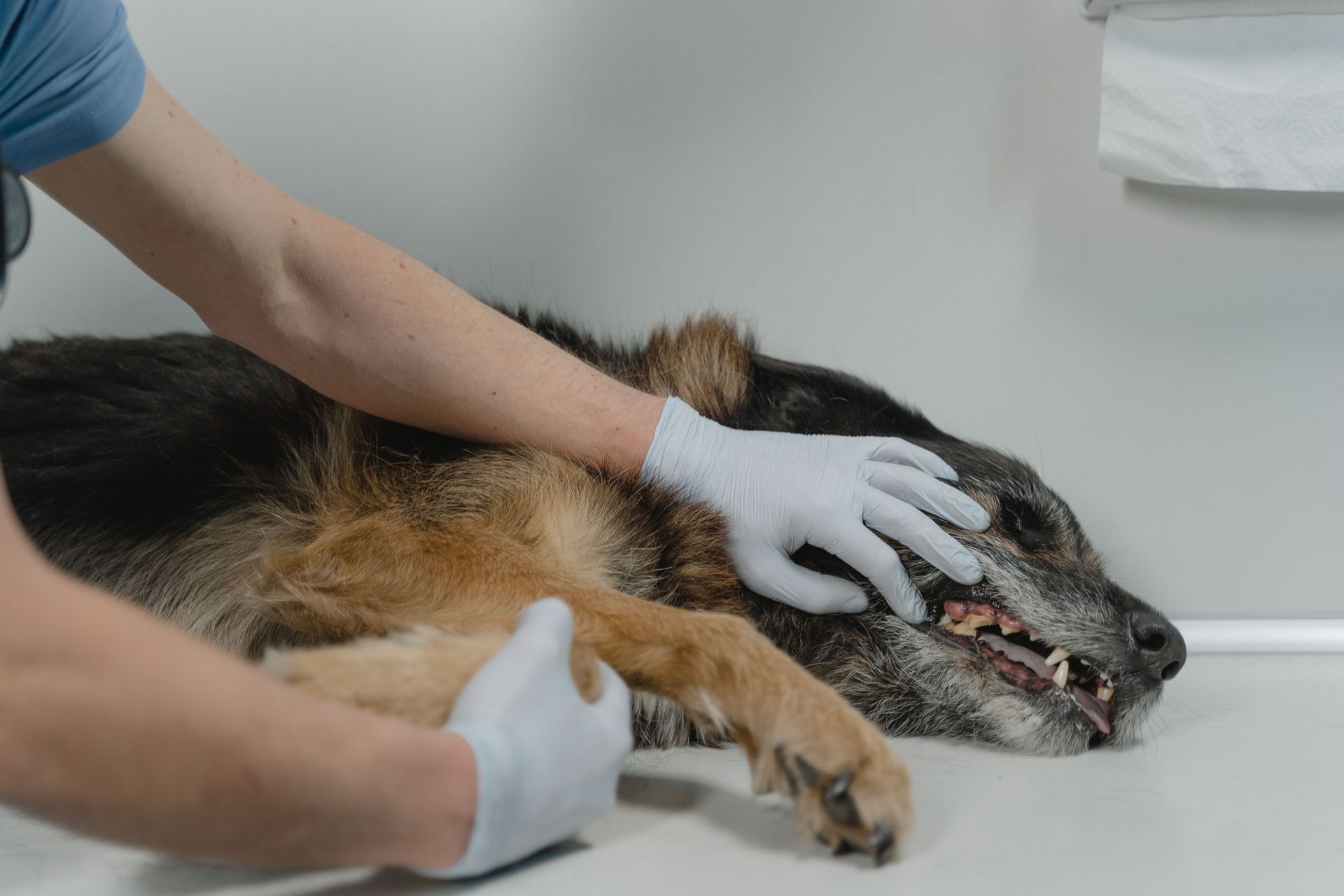
What to Do During a Pet Emergency
If your dog or cat is showing serious symptoms, stay as calm as possible and take immediate action.
Call the clinic
Let us know what happened, your pet’s symptoms, and how soon you expect to arrive.
Keep your pet safely restrained
Use a leash, carrier, towel, or blanket to prevent further injury.
Do not give human medications
Many medications that are safe for people are toxic to pets.
Bring relevant items
If your pet ate something toxic, bring the packaging, label, plant, medication bottle, or product sample.
Transport your pet carefully
Avoid unnecessary movement if you suspect fractures, spinal injury, or severe trauma.
Emergency Vet Services for Dogs and Cats
Our veterinary team can evaluate your pet, determine the seriousness of their condition, and recommend the most appropriate treatment plan. Emergency vet services may include care for:
Toxicities and Poisoning
If your pet ate medication, chocolate, grapes, xylitol, rodent bait, household chemicals, toxic plants, or another dangerous substance, contact a veterinarian immediately. Fast action can make a major difference in your pet’s outcome.
Vomiting, Diarrhea, and Gastrointestinal Distress
Occasional stomach upset may not always be an emergency, but repeated vomiting, bloody diarrhea, dehydration, or signs of bloat require prompt veterinary attention.
Seizures and Neurological Symptoms
A seizure, sudden collapse, inability to stand, or sudden disorientation should be treated seriously. Call right away so our team can help determine whether immediate care is needed.
Urinary Emergencies
Straining to urinate with little or no urine output can become life-threatening, especially in male cats. This is not a “wait and see” situation.
Trauma, Wounds, and Fracture Care
Dog fights, falls, vehicle accidents, bite wounds, deep cuts, and suspected broken bones should be evaluated quickly to reduce pain, bleeding, infection risk, and complications.
Breathing Trouble
Heavy panting, choking, blue or pale gums, wheezing, or labored breathing can indicate a serious medical emergency. Seek veterinary care immediately.
What to Expect When You Arrive
Emergency cases are evaluated based on medical urgency. Pets with life-threatening symptoms may need to be seen before pets with more stable conditions. Our team will work as quickly as possible while making sure each patient receives the level of attention they need.
Initial Triage and Stability Check
During your visit, our team may assess your pet’s breathing, heart rate, temperature, hydration, pain level, and overall stability to determine how urgently they need care.
Review of Symptoms and Medical History
We may ask about your pet’s symptoms, when they started, current medications, medical history, and any possible toxin exposure. This helps our team better understand what may be causing your pet’s condition.
Diagnostic Recommendations
Depending on your pet’s symptoms and exam findings, we may recommend diagnostics such as bloodwork, radiographs, or other testing to help guide the next step in care.
Stabilization or Treatment
When appropriate, our team may begin stabilization or treatment to help address pain, breathing difficulty, dehydration, injury, or other urgent concerns.
Clear Communication About Your Options
We will explain your pet’s condition, available treatment options, and recommended next steps clearly so you can make informed decisions about their care.
Why Choose Preventative Pet Health of Michiana?
When your pet needs emergency care, you deserve a team that communicates clearly and treats your pet with compassion. Preventative Pet Health of Michiana is proud to serve South Bend and the greater Michiana community with practical, personalized veterinary care.
Compassionate care for dogs and cats
Clear communication during stressful situations
Practical recommendations without unnecessary upsells
Support for urgent care, chronic conditions, and minor procedures
A local team committed to helping pets feel safe and cared for
Frequently Asked Questions About Emergency Vet Services
What signs indicate a pet requires immediate emergency veterinary care?
Answer: A pet requires immediate emergency veterinary care if they exhibit life-threatening signs such as difficulty breathing, severe bleeding, sudden collapse, or ingestion of known toxins.
If your pet shows any of the following clinical signs, transport them to an emergency animal hospital immediately:
- Respiratory Distress: Continuous choking, heavy panting, or blue, pale, or white gums.
- Neurological Issues: Seizures, sudden disorientation, inability to stand, or loss of consciousness.
- Physical Trauma: Fractures, deep lacerations, open wounds, or injuries from a vehicular accident.
- Acute Abdomen: Unsuccessful attempts to vomit (frequent retching), or a sudden, hard, distended abdomen (signs of GDV/Bloat).
- Inability to Urinate: Straining to urinate with no output, which is a critical medical emergency, particularly in male cats.
Do I need an appointment for emergency vet services?
Answer: No, emergency vet services do not require an appointment, as patients are triaged based on medical urgency rather than the arrival time. While walk-ins are fully accepted for critical cases, calling the clinic while you are en route is highly recommended.
Notifying the hospital ahead of time allows the veterinary emergency team to prepare necessary medical equipment, oxygen cages, or surgical suites before your arrival, saving critical minutes.
What should I do if my pet consumes a poisonous or toxic substance?
Answer: If your pet consumes a toxic substance, immediately identify the toxin and contact an emergency vet or a pet poison helpline before attempting to induce vomiting. Inducing vomiting at home can cause severe esophageal burns or aspiration pneumonia depending on the substance. Take the following steps immediately:
- Identify the Toxin: Note the exact product name, active ingredients, and the estimated quantity consumed.
- Bring the Packaging: Save the product label, wrapper, or plant sample to bring to the emergency vet.
- Note the Timeline: Document exactly what time the ingestion occurred and any symptoms your pet is currently displaying.
How can I tell if my dog or cat is in shock?
Answer:
You can tell a pet is in shock by checking for pale or white gums, a rapid but weak pulse, cool extremities, and rapid, shallow breathing. Shock is a life-threatening medical condition resulting from a sudden drop in blood flow throughout the body. To evaluate your pet for shock, assess these three veterinary criteria:
- Capillary Refill Time (CRT): Press your finger firmly against your pet’s gums. If the pink color takes longer than two seconds to return after you let go, your pet may be in shock.
- Body Temperature: Touch their paws and ears; if they feel unusually cold to the touch, circulatory failure may be occurring.
- Mentation: A pet in shock will often appear lethargic, unresponsive, or have fixed, dilated pupils.
What is the difference between an urgent care vet and an emergency vet hospital?
Answer: The primary difference is that an urgent care vet treats non-life-threatening conditions that require same-day attention, whereas an emergency vet hospital handles critical, life-or-death situations and major traumas.
- Urgent Care Cases: Ear infections, mild vomiting, minor cuts, hot spots, and limping. These conditions are uncomfortable but stable.
- Emergency Care Cases:
Traumatic accidents, continuous seizures, severe hemorrhaging, heatstroke, or poisoning. These conditions require advanced diagnostics, blood transfusions, or immediate life-saving surgery.
What documentation and items should I bring to an emergency animal clinic?
Answer: When visiting an emergency animal clinic, you should bring your pet's medical records, a list of current medications, the suspected toxin or foreign object packaging, and a secure method of restraint.
Having these items organized ensures swift intake and prevents delays in treatment:
- Medical Records & History: Digital or printed copies of recent bloodwork, chronic illness diagnoses, and vaccine history.
- Current Medications: The exact dosages and names of all prescriptions, supplements, and flea/tick preventatives your pet takes.
- Restraint Tools: A secure leash for dogs or a hard-sided carrier for cats, as emergency waiting rooms contain highly stressed and unpredictable animals.
- Payment Method & ID: Photo identification alongside a valid credit card, debit card, or approved veterinary financing account (like CareCredit) to authorize emergency diagnostics.
Need Emergency Vet Services in South Bend, IN?
If your pet is showing serious symptoms, do not wait. Call
Preventative Pet Health of Michiana now so our veterinary team can help you determine the safest next step.

