

Pet Ear Infection Treatment in South Bend, IN
At
Preventative Pet Health of Michiana, we provide pet skin condition treatment in South Bend, IN, as part of our sick pet care services for dogs and cats with itching, rashes, allergies, hot spots, and recurring skin concerns.
CALL US:
CONTACT INFO
Open Hours
Sat: 10:00 AM – 2:00 PM
Sun - Mon: Closed
Ear Infection Care for Dogs and Cats
Ear infections are a common reason pets need sick pet care. They can affect one or both ears and may come on suddenly or return over time.
Some pets show obvious discomfort, while others initially have only mild odor, wax buildup, or redness. Because different ear problems can look similar, a veterinary exam is the best way to determine what is going on and how to treat it safely.
Signs and Symptoms of a Pet Ear Infection
Pets with ear infections often show changes in behavior because their ears feel itchy, painful, or irritated. Common signs include:
- Frequent head shaking
- Scratching at one or both ears
- Rubbing the ears on furniture, carpet, or the floor
- Redness inside the ear
- Ear odor
- Dark, yellow, brown, or waxy discharge
- Swelling around the ear canal
- Sensitivity when the ear is touched
- Scabs, hair loss, or irritation around the ear
- Whining, restlessness, or signs of pain
Contact Preventative Pet Health of Michiana if your pet is showing these signs, especially if symptoms last more than a day or seem to be getting worse.
Common Causes of Ear Infections in Pets
Ear infections can happen when the ear canal becomes inflamed or when yeast, bacteria, mites, or debris irritate the ear. The cause matters because treatment depends on what is found during the exam.
Allergies
Food allergies and environmental allergies can make the ears inflamed and more likely to develop recurring infections.
Yeast or Bacterial Overgrowth
Yeast and bacteria can cause odor, discharge, redness, itching, and pain inside the ear canal.
Ear Mites
Ear mites are more common in cats and young pets. They can cause intense itching and dark, crumbly debris in the ears.
Moisture in the Ear
Swimming, bathing, or trapped moisture can create irritation and make ear infections more likely.
Foreign Material or Debris
Grass, dirt, plant material, or other debris can become trapped in the ear canal and cause inflammation.
Chronic Skin or Ear Issues
Some pets are more prone to ear infections because of their ear shape, skin condition, allergies, or history of recurring inflammation.
What to Expect During a Visit:
How Ear Infections Are Diagnosed
A veterinary exam helps determine whether your pet has an ear infection, what type of infection may be present, and whether an underlying issue is contributing to the problem. During your pet’s visit, our team may:
- Ask about your pet’s symptoms and when they started
- Examine the outer ear and ear canal
- Look for redness, swelling, discharge, odor, or pain
- Check for debris, mites, irritation, or injury
- Recommend ear cytology to look for yeast, bacteria, or inflammatory cells
- Discuss whether allergies or recurring skin problems may be involved
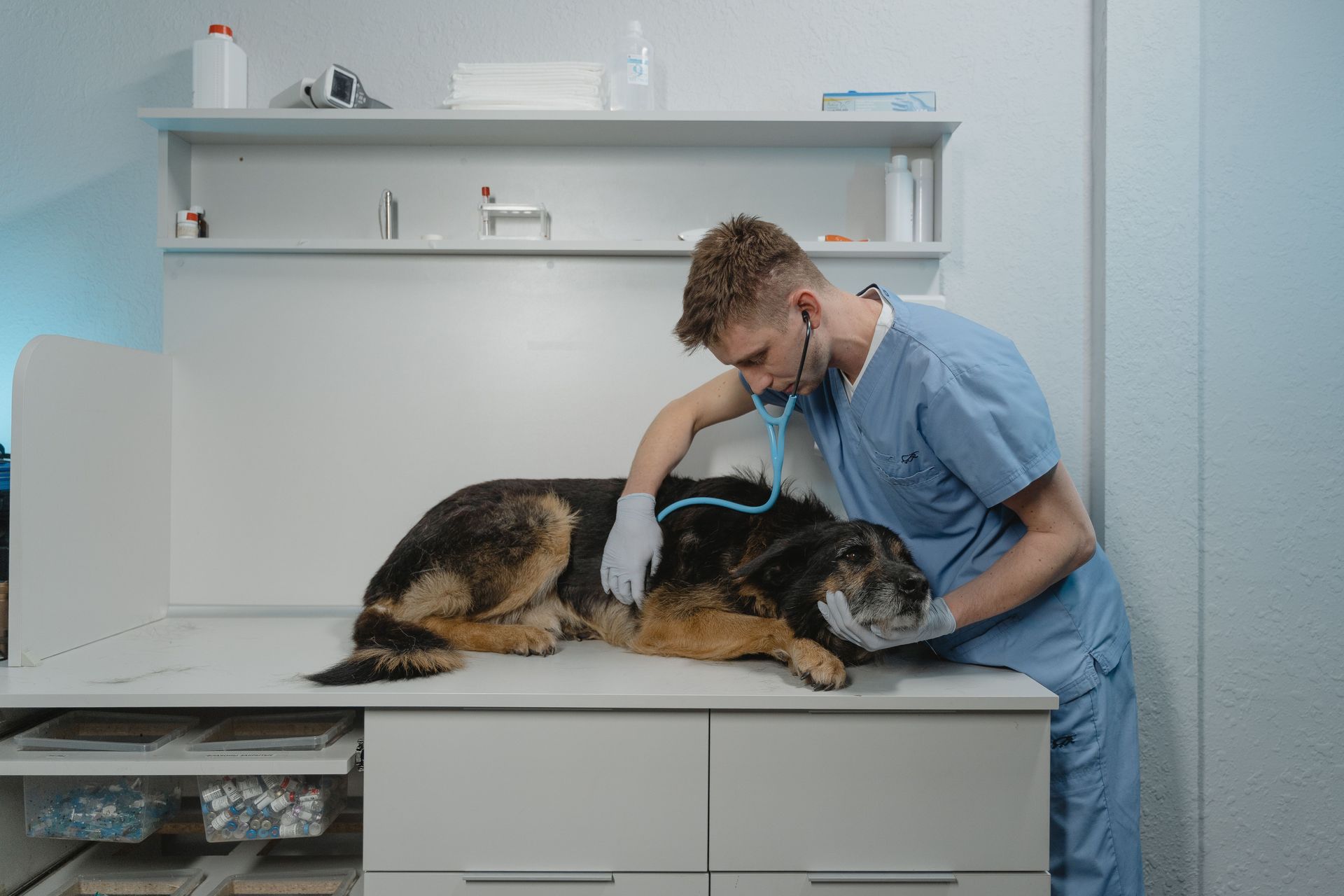
Treatment Options for Pet Ear Infections
Treatment depends on your pet’s symptoms, exam findings, and the cause of the ear infection. Some pets need short-term medication, while others may need follow-up care or long-term management for recurring issues.
Treatment may include:
- Professional ear cleaning
- Prescription ear medication
- Medication for yeast, bacteria, or mites
- Anti-inflammatory support when appropriate
- Pain relief if the ear is very uncomfortable
- Allergy management for recurring infections
- Follow-up exams to make sure the infection has cleared
Do not use leftover medications, over-the-counter ear drops, or human ear products unless a veterinarian directs you to do so. The wrong product can irritate the ear or make the condition worse.
Why Professional Veterinary Care Matters
Ear infections are not always simple. What looks like a basic ear problem may be linked to allergies, mites, trapped debris, chronic inflammation, or another underlying condition. Professional veterinary care matters because your pet may need:
- A clear diagnosis before treatment
- Safe ear cleaning
- Medication matched to the type of infection
- Evaluation of the ear canal
- Support for allergies or recurring inflammation
- Follow-up care to help prevent repeat infections
Treating the cause, not just the symptoms, can help your pet feel better and reduce the chance of the problem coming back.
Frequently Asked Questions About Pet Ear Infection Treatment
How do I know if my pet needs ear infection treatment?
Your pet may need ear infection treatment if they are shaking their head, scratching their ears, rubbing their ears on the floor, or reacting painfully when their ears are touched. Other common signs include:
- Ear odor
- Redness
- Swelling
- Dark or yellow discharge
- Wax buildup
- Head tilting
- Sensitivity around one or both ears.
A veterinarian should examine your pet’s ears to determine whether the problem is caused by yeast, bacteria, mites, allergies, moisture, debris, or another underlying condition.
What does pet ear infection treatment include?
Pet ear infection treatment typically includes a veterinary ear exam, evaluation of the ear canal, diagnostic testing when needed, professional ear cleaning, and prescription medication based on the cause of the infection.
Treatment may target yeast, bacteria, ear mites, inflammation, pain, or allergies. Because different ear problems can look similar, the most effective treatment plan depends on identifying what is causing the irritation or infection.
Can I treat my pet’s ear infection at home?
You should not try to treat a pet’s ear infection at home without veterinary guidance. Over-the-counter drops, human ear medications, alcohol, hydrogen peroxide, or leftover prescriptions may irritate the ear, fail to treat the real cause, or make the condition worse.
A veterinarian can check the ear canal, determine whether the eardrum appears intact, identify the type of infection, and prescribe safe medication for your pet.
What causes recurring ear infections in pets?
Recurring ear infections in pets are often caused by an underlying condition such as allergies, chronic skin inflammation, ear canal shape, trapped moisture, yeast or bacterial overgrowth, ear mites, or foreign material in the ear.
If a pet keeps getting ear infections, treatment should focus on both clearing the current infection and managing the reason the infections keep returning.
How long does it take for pet ear infection treatment to work?
Pet ear infection treatment may begin improving symptoms within a few days, but the full treatment period depends on the severity and cause of the infection. Some infections require follow-up exams to confirm that the ear has fully healed.
Stopping medication too early can allow the infection to return, so pet owners should follow the veterinarian’s instructions and complete the full treatment plan.
When should I call a veterinarian for a pet ear infection?
You should call a veterinarian if your pet has ear odor, discharge, redness, swelling, repeated head shaking, ongoing scratching, pain when the ear is touched, or recurring ear problems.
Call promptly if your pet seems severely painful, has balance problems, tilts their head, has bleeding from the ear, or develops sudden swelling of the ear flap. Early veterinary care can help relieve discomfort and prevent the infection from becoming more serious.
Schedule Pet Ear Infection Treatment in South Bend, IN
If your pet is scratching, shaking their head, or showing signs of ear discomfort, do not wait for the problem to get worse. Contact Preventative Pet Health of Michiana for prompt pet ear infection treatment in South Bend, IN.

